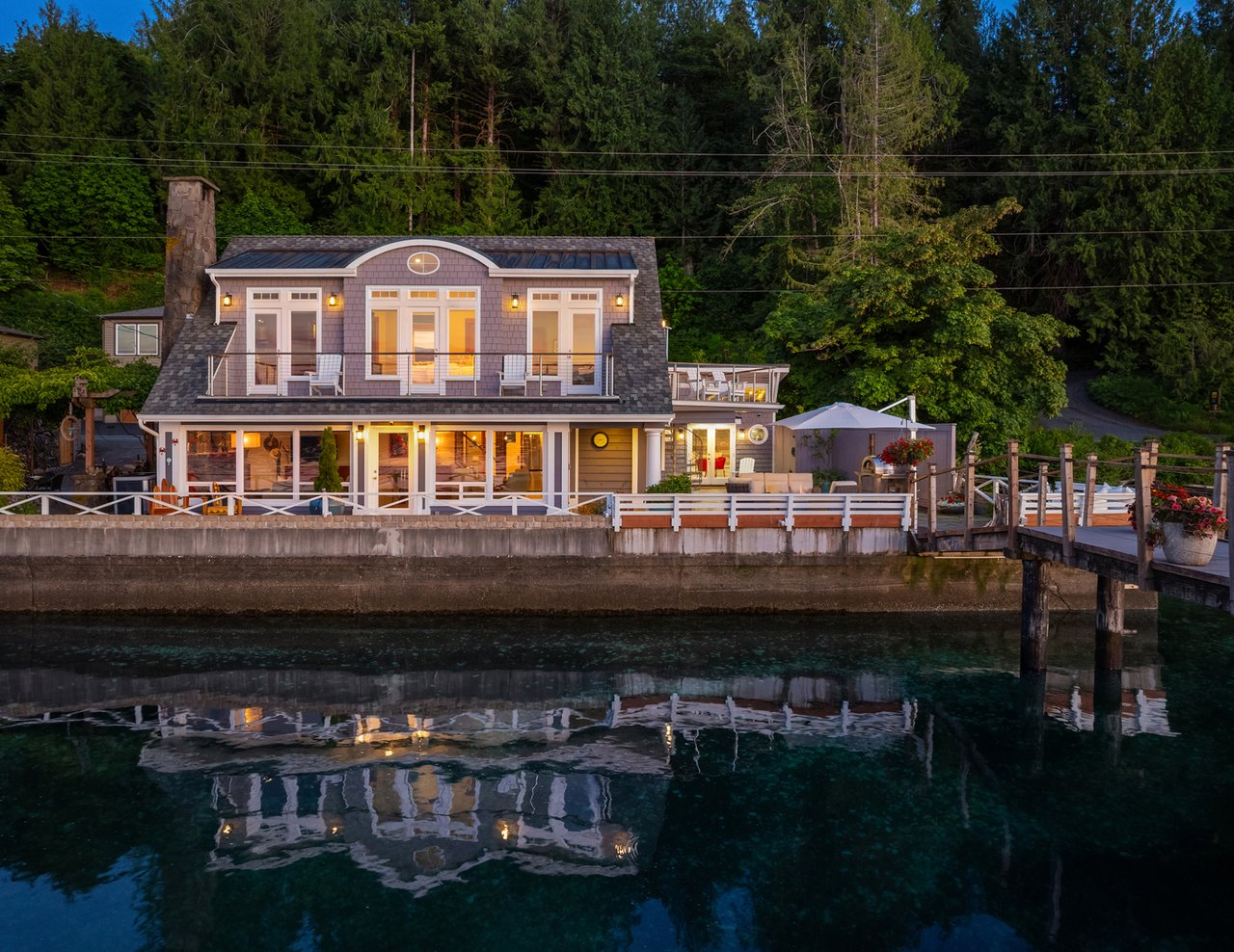
Selling a waterfront home on Puget Sound is not the same as selling a typical house, and that is exactly why preparation matters. You are not just bringing a home to market. You are presenting shoreline access, rural island logistics, property records, and a lifestyle that buyers need to understand clearly. With the right prep, you can reduce surprises, support your asking price, and create a smoother path to closing. Let’s dive in.
Start With the Right Pricing Story
For your home on Puget Sound, the stronger pricing approach is property-specific. That means looking closely at recent closed sales of comparable waterfront homes, along with your shoreline features, access, views, condition, documentation, and legal characteristics. If your home has unique assets like shoreline improvements, outdoor living areas, or documented access rights, those details need to be part of the pricing conversation from the start. In Normandy Park, many homes own the tideland which is a rare asset particularly since the neighboring shoreline homes in Burien do not.
Gather Documents Before You List
Waterfront sales often move more smoothly when you assemble records early. On Puget Sound, buyers are often looking beyond finishes and square footage. They also want confidence around access, utilities, shoreline history, and any property-specific limitations.
Why Form 17 Matters for Waterfront Homes
Form 17 is especially important for waterfront and island properties because it asks about more than the house itself. It can touch on title and access restrictions, shared maintenance agreements, household water source, water-right issues, on-site sewage systems and repairs, and environmental topics such as flooding, drainage problems, wetlands, floodplains, and shoreline concerns.
That means buyers may focus on records that support your answers. If you can produce clean, organized documentation quickly, you help reduce uncertainty and strengthen buyer confidence.
Records to Pull Early
Before listing, it is smart to gather:
- Septic pumping records
- Septic inspection or maintenance records
- Well or water-system records
- Permits for repairs or improvements
- Property surveys
- Recorded easements
- Water-right documentation, if applicable
- Shared maintenance agreements
- Shoreline-related permits or conditions
This step can save time later, especially if a buyer asks questions during negotiations or inspection.
Review Water, Access, and Easement Details
Island and waterfront properties often come with details that deserve extra attention.
Your listing should make these access details easy to understand, but your paperwork matters just as much. If there are recorded easements, shared road agreements, or maintenance obligations, it is best to identify them before the property hits the market. The same goes for water-source records and any related rights or usage documentation.
Check Shoreline Permits and Improvement History
If your home has a dock, bulkhead, fill, grading, dredging, or other shoreline work, permit history is a key part of pre-sale preparation. Washington Ecology says local governments administer shoreline programs, and most shoreline development that meets the statutory threshold requires a substantial development permit. Ecology also notes that features like docks, bulkheads, dredging, and filling can fall under shoreline regulation.
Why Permit History Follows the Property
Ecology's shoreline permitting guidance says permit conditions run with the property, even after ownership changes. It also recommends recording conditions that affect habitat, public access, or bulkhead restrictions. That makes your permit file part of the value story, not just a technical detail.
If shoreline work has been done over the years, it helps to assemble the history. Include permits, approvals, recorded conditions, mitigation requirements, and any documents related to access or shoreline restrictions. Buyers and their advisors may review these closely.
Stage for How Buyers Shop
Waterfront buyers are often buying with their eyes first. They want to picture the view, the light, the outdoor spaces, and how the home lives in relation to the water. Strong presentation helps them connect those details to daily life.
National staging research in 2025 found that 83% of buyers' agents said staging makes it easier for buyers to visualize a home as their future home. The same research found that 29% of sellers' agents reported a 1% to 10% increase in the dollar value offered, and 49% said staging reduced time on market. The living room, primary bedroom, and kitchen were reported as the most important rooms to stage.
Where to Focus Your Effort
For a Puget Sound waterfront home, focus first on spaces that support the waterfront story:
- Living room with view lines to the water
- Kitchen connected to gathering and entertaining
- Primary bedroom with light and privacy
- Outdoor seating or dining areas
- Paths, decks, or shoreline access points
The goal is not to over decorate. It is to help buyers understand the setting, scale, and flow of the property.
Build a Strong Visual Package
Buyers place high value on listing photos and online visuals. Guidance on modern listings recommends using as much visual information as possible, including photos, video, virtual tours, and floor plans when available. For waterfront homes, that visual package should do more than show interior rooms.
It should clearly explain the shoreline story. That includes view corridors, how the house sits on the site, shoreline access, outdoor living areas, and the relationship between the home and the water. Aerial visuals can be especially helpful when they clarify lot layout, shoreline orientation, and surrounding access.
Understand Washington's Marketing Rules
If privacy matters to you, it is important to balance discretion with current Washington rules. A 2026 Washington law on residential listing marketing generally prohibits brokers from marketing a listing to an exclusive group of buyers or brokers unless the property is also concurrently marketed to the general public and other brokers, except when needed to protect the health or safety of the owner or occupant.
The bill summary also says public marketing does not require the owner to allow access into the residence. That gives sellers some room to manage privacy while still complying with the law. For waterfront owners, the takeaway is simple: a discreet strategy must also be a compliant strategy.
Create a Pre-List Timeline
The best waterfront sales usually begin long before the listing date. Because shoreline records, septic documents, staging, photography, and scheduling all take time, it helps to work from a plan instead of reacting at the last minute.
A simple prep timeline might include:
- 12 to 24 months out: review shoreline issues, permit history, and any larger repair questions
- 3 to 6 months out: gather septic, water, survey, easement, and maintenance records
- 1 to 3 months out: complete pre-sale improvements, staging plan, and visual marketing prep
- Final weeks: finalize disclosures, photography, showing logistics, and launch strategy
A thoughtful process can help you protect value and avoid preventable delays.
If you are preparing to sell a Puget Sound waterfront home, the details matter just as much as the setting. With the right pricing strategy, documentation, presentation, and launch plan, you can bring your home to market with more clarity and confidence. For a tailored selling strategy and hands-on pre-sale guidance, schedule a private consultation with The Danna Team.
FAQs
What records should you gather before listing a Puget Sound waterfront property?
- Start with septic pumping and inspection records, water-system or well records, permits, surveys, easements, water-right documentation if applicable, shared maintenance agreements, and shoreline permit history.
Which rooms matter most when staging a waterfront home for sale?
- Current staging research points to the living room, primary bedroom, and kitchen as the top priority rooms, and waterfront homes should also highlight outdoor spaces, view lines, and shoreline access.
Can you market a Washington home privately without listing it publicly?
- In general, Washington's 2026 marketing law limits marketing to an exclusive group unless the home is also concurrently marketed to the general public and other brokers, except in certain health or safety situations.