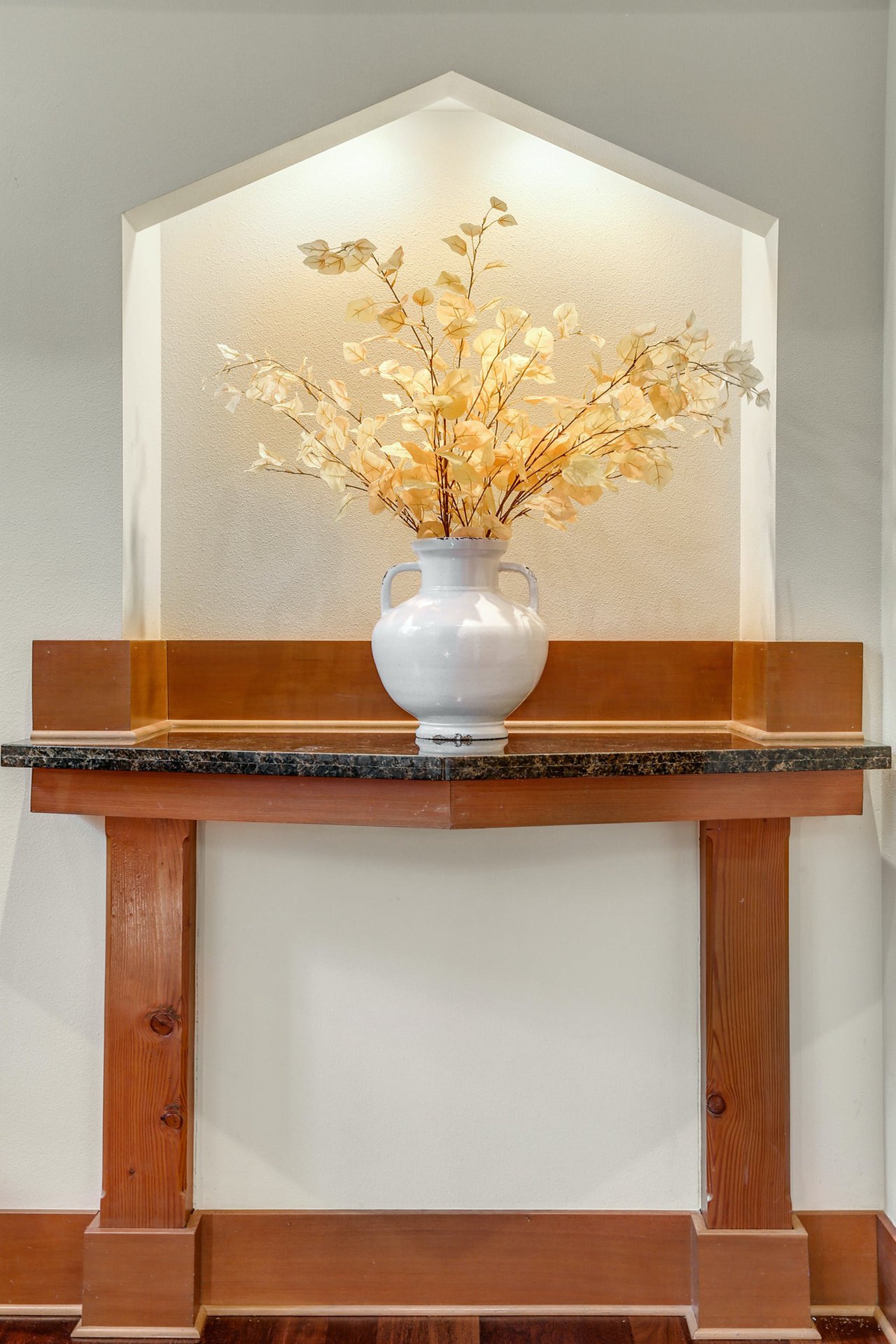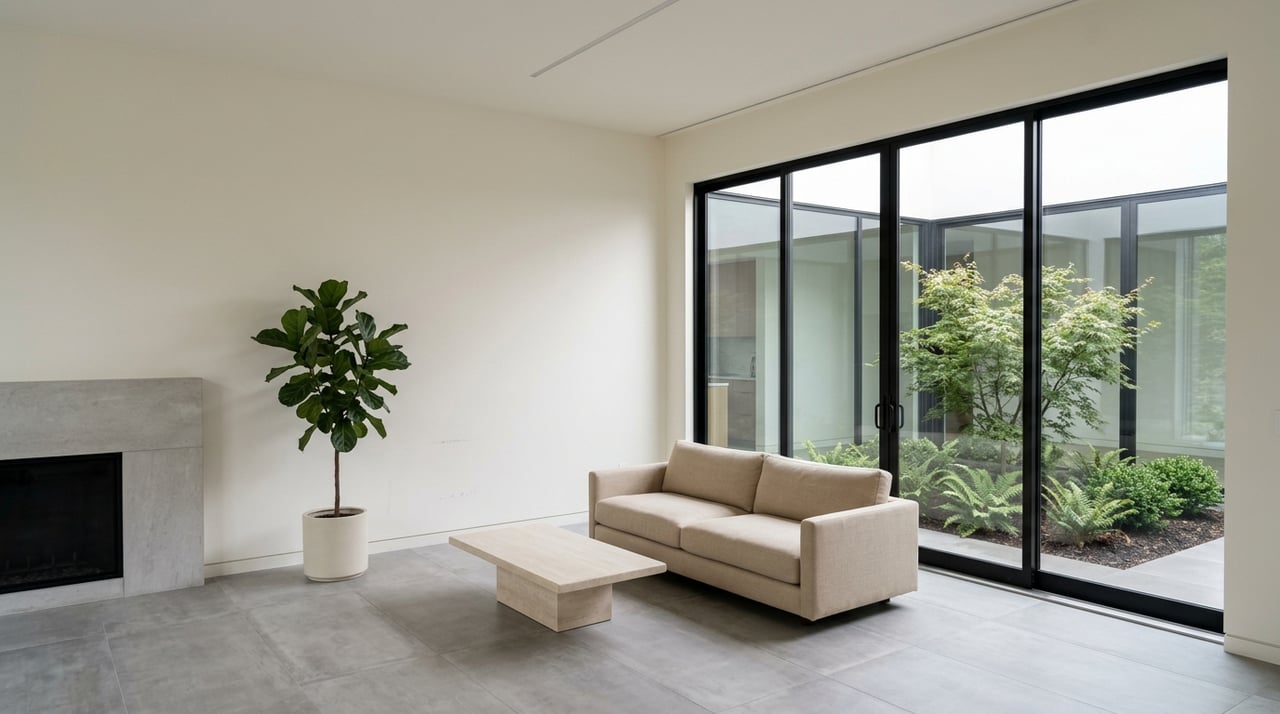
Wondering whether a brand-new home or a classic property makes more sense in Redmond? You are not alone. For many buyers, especially those relocating to the Eastside or moving within the Seattle area, this choice shapes everything from your daily routine to your long-term maintenance costs. This guide will help you compare how each option tends to look and feel in Redmond, where you are most likely to find it, and which path may fit your priorities best. Let’s dive in.
Why This Choice Matters in Redmond
Redmond is not a market where new and old homes are spread evenly across the map. The city has directed much of its future growth into urban centers and transit-oriented areas, especially Downtown, Overlake, and Marymoor. Downtown alone is expected to absorb about one-third of planned housing growth through 2030.
That matters because your home style often connects directly to location. In Redmond, newer housing is often tied to mixed-use projects, townhomes, multifamily buildings, and infill development, while more established detached homes remain a major part of the city’s mature residential neighborhoods.
Redmond is also a high-value market. The city’s population was estimated at 82,195 in July 2024, and the median owner-occupied home value for 2020 through 2024 was $1,167,800. When you are making a purchase at this level, it helps to be clear about what you are gaining and what trade-offs come with each option.
Where New Construction Is Common
Downtown Redmond
If you are drawn to newer housing, Downtown Redmond is one of the clearest places to start. It is a designated regional growth center with mixed-use residences, low- and mid-rise residential buildings, and zoning that allows up to eight stories in some areas.
That usually translates into a more urban housing mix. You may see newer condos, townhomes, apartments, and mixed-use residential projects rather than large-lot detached homes. In Old Town, city policy also aims to retain historic structures and traditional character, so some areas blend newer development with older elements.
Overlake
Overlake is another key area for newer housing, especially near light rail stations. The city updated rules in 2025 to allow greater height and floor-area intensity near transit, which supports more transit-oriented development.
For you as a buyer, that can mean access to newer homes in a more connected setting. It can also mean a denser built environment, smaller private outdoor space, and a housing mix that leans attached rather than fully detached.
Marymoor Village
Marymoor Village is planned as a walkable mixed-use neighborhood. Housing here includes mixed-use developments and some townhomes near pedestrian-oriented streets and Marymoor Park.
If your ideal lifestyle includes newer finishes and a location that supports getting around easily, this area may stand out. It is a good example of how Redmond’s growth strategy shapes the kind of housing coming to market.
Where Classic Homes Are More Common
Education Hill
For buyers who picture an established neighborhood, Education Hill is one of Redmond’s best-known examples. The city describes it as one of Redmond’s largest residential neighborhoods, with a predominantly mature character and large trees.
That setting often appeals to buyers who want a more settled neighborhood feel. You may find more variation in house style, lot size, and age here than you would in a newer planned development.
Idylwood
Idylwood is another area where classic or resale homes are more common. The city describes it as predominantly residential, with a wide variety of homes and an eclectic mix of old and new single-family properties, including vintage dwellings dating back more than 70 years.
Neighborhood policy language also reflects attention to house size, lot size, and infill activity. For you, that can mean a home search focused not just on square footage, but on how each property sits on its lot and how the surrounding streetscape feels.
Other Predominantly Residential Areas
The city notes that Education Hill, Grass Lawn, Idylwood, and North Redmond are predominantly residential, while Downtown and Overlake contain the two urban centers. That distinction is helpful when you are deciding whether you want a more urban or more traditional neighborhood pattern.
If your priority is a detached home in a more established area, these neighborhoods may align better with your search. Inventory, layout, and condition can vary widely, so local guidance becomes especially useful.
How New and Classic Homes Differ
Floor Plans and Density
In Redmond, new construction is not limited to single-family homes. The city’s Neighborhood Residential zoning allows detached homes, duplexes, triplexes, fourplexes, fiveplexes, sixplexes, townhouses, stacked flats, courtyard apartments, and cottage housing. The city also states that state law requires multiple homes per lot in cities like Redmond, and the NR zone can allow up to six units per lot as a baseline, or eight if one unit is affordable.
That means new construction may feel more compact than some buyers first expect. Even outside the most urban districts, newer housing can include attached or clustered formats instead of a traditional large-lot suburban layout.
Lot Feel and Neighborhood Character
Classic homes often offer a different experience. In mature areas like Education Hill and Idylwood, city policy language emphasizes variety in house styles and lot sizes, spaciousness, open green space, and attention to the relationship between house size and lot size.
For you, that may translate into larger setbacks, more tree canopy, and a neighborhood rhythm that feels less newly built. It can also mean more variation from one property to the next, especially when homes have been updated at different times or expanded over the years.
Energy Efficiency and Maintenance
Why New Construction Has an Edge
One of the strongest arguments for new construction is efficiency. Washington’s residential energy code became effective statewide on March 15, 2024, and it serves as both the maximum and minimum residential energy code for new construction.
In practical terms, newer homes usually begin with current-code insulation, air-sealing, windows, and mechanical systems. That can lower the chance of immediate retrofit work and may help reduce near-term maintenance surprises.
Why Older Homes Need Closer Review
Classic homes often offer character and location advantages, but they usually come with more variation in condition. In Redmond’s mature neighborhoods, the age mix means important systems may differ widely from one property to another.
When you are evaluating a resale home, it helps to look closely at the roof, windows, insulation, heating systems, drainage, and any remodel history. A thorough inspection process and realistic planning for post-closing improvements can make a big difference.
Which Option Fits Your Lifestyle?
New Construction May Fit You Best If
You may want to focus on new construction if these priorities rise to the top:
- You want to live near transit, restaurants, or mixed-use districts
- You prefer current-code energy efficiency
- You want lower near-term maintenance risk
- You are comfortable with attached living or a smaller yard
- You like the idea of a more managed or lock-and-leave lifestyle
This profile often lines up well with Downtown, Overlake, or Marymoor.
Classic Homes May Fit You Best If
A classic home may be the better fit if your priorities look more like this:
- You value mature trees and established streetscapes
- You want the potential for a larger yard or more setback
- You prefer a neighborhood that feels more settled than newly built
- You are open to variation in layout, updates, and home age
- You are willing to budget for inspections and future improvements
In Redmond, Education Hill and Idylwood are strong examples of that established-neighborhood profile.
Why Your Search Should Go Beyond Public Listings
One of the most important details in Redmond is that housing supply does not always show up in obvious ways. The city’s residential permit activity shows that new single-family homes, duplexes, accessory dwelling units, and short plats all move through review, including infill examples in places like Idylwood and Bear Creek.
That means the best fit for you may come from a mix of resale listings, builder releases, and early-stage infill opportunities. If you only watch the most visible public listings, you may miss options that better match your goals on timing, location, or layout.
Making the Right Move in Redmond
There is no universal winner between new construction and a classic home in Redmond. The right choice depends on how you weigh location, maintenance, efficiency, lot feel, and neighborhood character.
If you want a transit-oriented lifestyle and more predictability in systems and upkeep, newer construction may be the smarter path. If you want a more established residential setting with trees, space, and a less urban feel, a classic home may deliver more of what you are looking for.
A thoughtful search starts with clarity about your priorities, then matches those priorities to the parts of Redmond where that housing type is most likely to appear. If you want help comparing neighborhoods, tracking new opportunities, or evaluating the trade-offs between old and new, The Danna Team can help you navigate Redmond with a more tailored, strategic approach.
FAQs
Where is new construction most common in Redmond?
- New construction is most concentrated in Downtown Redmond, Overlake, and Marymoor, where the city is directing much of its future housing growth and transit-oriented development.
Where are classic homes more common in Redmond?
- Classic or resale homes are more commonly found in mature residential neighborhoods such as Education Hill and Idylwood, along with other predominantly residential parts of the city like Grass Lawn and North Redmond.
Are new homes in Redmond usually detached houses?
- Not always. In Redmond, new construction often includes townhomes, stacked flats, mixed-use residences, multifamily buildings, and infill housing, in addition to detached homes.
Are older homes in Redmond less efficient?
- Older homes can vary more in efficiency because their roofs, windows, insulation, and mechanical systems may be from different eras or renovation cycles. That is why inspections and system review are especially important.
Is new construction better for relocating buyers in Redmond?
- It can be, especially if you want a newer home near transit, lower near-term maintenance, and current-code energy features. Still, the best choice depends on your budget, lifestyle, and preferred neighborhood setting.
Why should buyers look beyond public listings in Redmond?
- Redmond’s housing pipeline includes listed resale homes, builder releases, and infill opportunities moving through city review, so a broader search can uncover options that are not yet obvious in the public market.